

Cancer

Coping with lung cancer

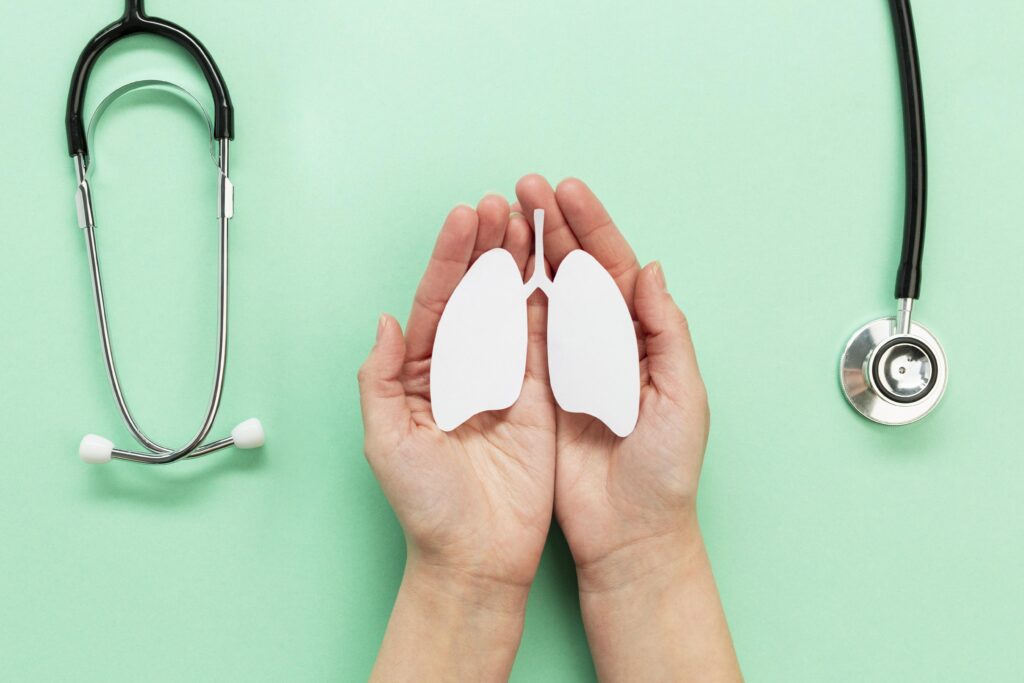
Coping with lung cancer When other people’s actions have an impact on me, it’s never fair. I don’t choose lung cancer One of the most common things you’ll hear from kids if you hang around with them long enough is, “That’s not fair!” My son Nathan used this statement countless times during his difficult developmental years. However, if we’re being sincere, it’s not only kids who demand fairness. It’s human nature for all of us to want fairness, which may make lung cancer diagnosis particularly challenging. You might think it’s unfair that you or someone you care about should have to deal with lung cancer, especially if you’re too young if you’ve taken good care of your body, if you’ve rarely been sick, if you’ve dealt with cancer before in another family member, or if you’ve got a lot on your plate already. Unfortunately, lung cancer patients had the greatest rate of experiencing “not fair” feelings among those with cancer diagnoses. It’s human nature to feel better when we can pin the blame on someone else. This is certainly the case regarding lung cancer, often associated with cigarette/cigar smoking or exposure to chemicals like asbestos/radon at home or work. All these elements profoundly influence the patient’s reaction to a lung cancer diagnosis. It’s not right that other people’s actions have caused me pain “from a lung cancer patient’s point of view”. Lung cancer is often assumed to be caused by smoking. The truth is that one out of five women who develop lung cancer has never smoked. Among those women with a smoking history, many quit smoking ten years or more before developing lung cancer. ( Yolonda Colson, MD, PhD )( Director, Women’s Lung Cancer Program ) Lung Cancer Coping with lung cancer Your concerns and feelings about “not being treated fairly” are reasonable. Those who have received a lung cancer diagnosis may feel as if their world has been flipped upside down, not only at the moment of diagnosis. Permit yourself to mourn the loss of your idealized future self or the life you thought you would have. Embrace the reality of the situation and figure out ways to get through it and flourish in it. Just like anyone else who has been chronically ill or through treatment knows, keeping up with the expectations of caretaking may seem like a full-time job in and of itself. Some strategies for coping with lung cancer are outlined below: Understanding lung cancer and what is within your control Coping emotionally and acknowledging emotional self-care Coping with physical side-effects Coping with social  Coping with lung cancer Understanding lung cancer and what is within your control Brief overview Cancer that starts in the lungs is called lung cancer. The lungs are a pair of sponge-like organs in your chest responsible for oxygen intake and carbon dioxide exhalation. Lung cancer is the leading cause of cancer mortality globally. Lung cancer is more common among smokers but may also develop in nonsmokers. Long-term cigarette smoking raises the risk of lung cancer. However, even if you have smoked for many years, you may significantly lower your risk of lung cancer if you stop. Types of lung cancer Lung cancer comes in a few distinct varieties, the most common two of which are: Non-small cell lung cancer (NSCLC) The most common type of lung cancer with three subtypes Adenocarcinoma – develops from a particular type of cell that produces mucus (phlegm) and is often found in the periphery of the lungs. Squamous cell cancer – often found near the central part of the lung along the major airways (left or right bronchus). Large-cell carcinoma – large cells and polygonal in shape under microscopy that are largely located at the periphery of the lung. They tend to grow rapidly and spread more aggressively compared to other lung cancers. Small cell lung cancer (SCLC) SCLC comprises around 15% of lung cancers and is strongly linked with cigarette smoking and it tends to start in the middle of the lungs. Signs & symptoms of lung cancer Persistent cough Chest pain Hoarseness Weight loss Recurrent lung infections Bone pain Shortness of breath Fatigue Wheezing Coughing up blood Risk Factors and Prevention People above 40 Smokes and second-hand smokers Exposure to cancer-causing chemicals such as asbestos, silica, and diesel exhaust Exposure to air pollution Exposure to radon gas Previous lung disease, including chronic obstructive pulmonary disease (COPD) or lung infection Family history of lung cancer   Dealing with treatments and health provider Knowing your specific form of cancer and its treatment options may help you better manage your symptoms and make essential choices. Preparing for anything helps to have some idea of what could happen. Learning new information may be challenging for anyone, but it’s more challenging after receiving a diagnosis. Get your questions ready for the doctor by writing them down. Bring along a friend who can help you remember your queries. In addition, they may assist you in recalling the information presented. It can be hard to handle a lot of new information. If you have any questions after hearing from your physicians and nurses, feel free to ask them again. Keep in mind that you don’t have to solve every problem immediately. Solving each problem might take a while. If you need assistance, don’t be afraid to ask for it. It’s never easy to stop, so why not try cutting down then? ( Joseph L. Wong )   Coping with lung cancer Coping emotionally and acknowledging emotional self-care When you get the news that you have cancer, your emotions may go through a wide range of swings. The truth may shock and disturb you. You may also experience the following: Overwhelmed Anger & resentment Fear & worry Positive & negative hope Grief, guilt, loneliness, numb, and confused Any or all of these feelings might apply to you. Or you might have an entirely different reaction. Every person responds uniquely. For example, it might be challenging to accept the diagnosis when dealing with cancer. It’s normal
Deeper insight into what cancer patients feel

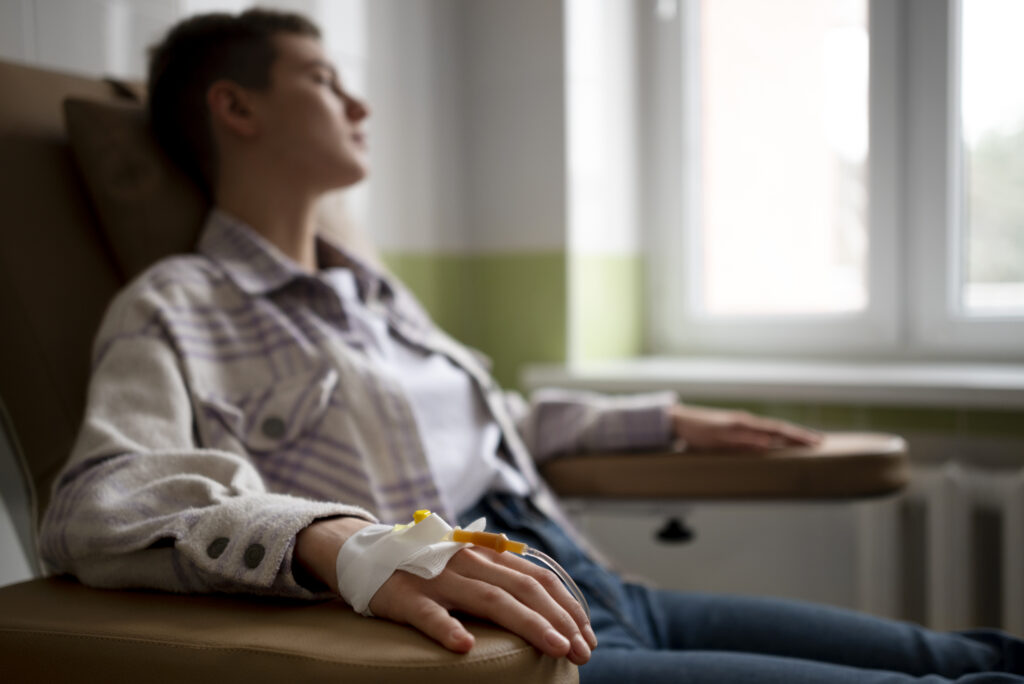
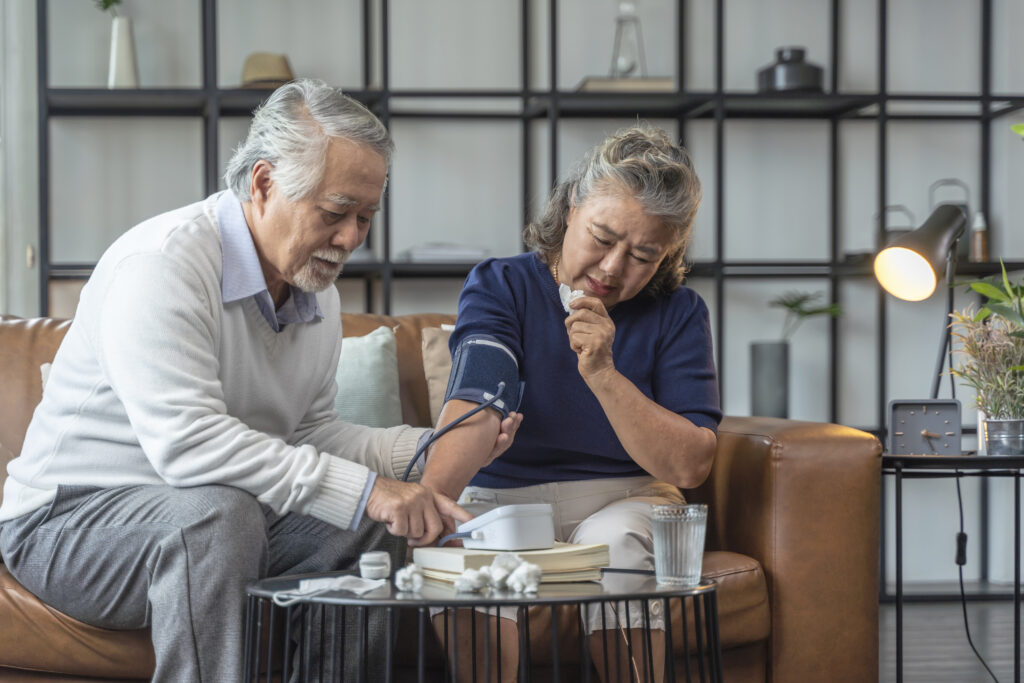
Deeper insight into what cancer patients feel Unless you are one of them, you will never understand what they are going through. Emotions, Feelings in Cancer patients Cancer not only impacts your physical health but also has the potential to stir up a wide variety of emotions that you are not used to coping with it. This cancer impact can also make your feelings seem more vital. They might change every day, every hour, or even every minute. These fluctuations of emotions exist regardless of whether you are presently receiving treatment, have just completed treatment, or are a friend or family member of someone who is. All of these emotions are perfectly natural. How you think about and deal with cancer is often affected belongs the values you learned as a child. For instance, there are people who; Believe they need to put up a brave front to protect the people they care about. or some may  Seek support and talk to loved ones or other people who have survived cancer for advice, and others might  Make an effort to seek the assistance of counselors and another mental health specialist to help them cope and get through hard times. No matter what you choose, the most critical thing is to act in a way that is true to who you are and avoid comparing yourself to others. Some of your close friends and family members may have similar feelings. If you feel comfortable, you can tell them this.   Cancer may be the one starting the fight, but I’ll be the one ending it. (Joseph L. Wong) I am a cancer survivor The deeper insight of a cancer patient Cancer patients don’t experience any of the following feelings in isolation, but rather they feel them all at once. Also, consider that all of these feelings occur over a long period of time.  Overwhelmed Once they learn that they have cancer, they would feel as if their life is out of control. (Going to live-die, how would it affect their lives, what are the treatments, financial issues, loss, feels helpless & lonely.  Anger Fear, panic, frustration, anxiety, helplessness, blaming, the WHY  Fear & Worried Death, family, financial, medical, a burden  Hope (Positive & Negative) The good side Leads to inspiring others, righting their wrongs, appreciating life, grasping every opportunity, being grateful, proud, and so on. The bad side is Sadness, Depression, Stress, and Anxiety  Other Mixed Feelings Gratitude Guilt Loneliness  The deeper insight of a cancer patient Overwhelmed This new information may cause us to experience a wide range of emotions, which is a widespread side effect of cancer. Many use the metaphor of being on an emotional roller coaster to describe this experience. A diagnosis of cancer causes a variety of emotions in each individual. Therefore, it is difficult to determine how fast or quickly someone will adapt to their circumstances. How a person responds and adjusts to living with cancer often relies on how they respond to previous challenges and crises. Within a relatively short time, a newly diagnosed patient may experience a wide range of emotions, including shock, fear, denial, rage, guilt, worry, depression, stress, isolation, loneliness, sorrow, and the list continues. It is possible that all of these feelings may arise at once or that they will occur in phases during the treatment process. It is common to feel as if your life is falling to pieces when you first find out that you have cancer for the first time. This may be due to the following: You wonder if you’ll make it. Doctor appointments and treatments interrupt your daily routine. People talk to you using medical words which you are not familiar with. You feel like you’re not able to do the things you like. You are feeling powerless and alone. You are feeling vulnerable and isolated. Even though you get the impression that you have no say in the situation, there are methods for you to assert your control. First, it might be beneficial to understand as much as you can about your cancer and its treatment. The more information you have, the more control you’ll feel over the situation. Talk to your physician about your concerns, and don’t be hesitant to admit when you don’t understand anything. Some individuals find that keeping themselves active makes them feel better overall. Participate in hobbies such as reading, doing crafts, playing music, or learning something new if you find that you have the energy for them, then do so. The deeper insight of a cancer patient Anger It is natural to feel furious with the illness and wonder, “why me?” after being diagnosed with cancer. It’s also normal to feel resentful or angry at those trying to help you, such as doctors, healthy friends, or even family members. And if you’re religious, you may even feel furious against God. Sometimes, instead of expressing other feelings, such as fear or sadness, individuals choose to show their anger instead. Many of us learn as children that it’s wrong to show anger. However, rage is a common reaction to being diagnosed with cancer. You don’t have to act like everything is fine if it’s not. You might want to tell your friends and family that it’s not their fault if you get angry or moody sometimes. Anger is sometimes the result of feelings that are difficult to express. Common examples are: Fear Panic Frustration Anxiety Helplessness Again, you shouldn’t suppress your anger or try to act as if everything is OK. Keeping it inside of you is not suitable for your health. Instead, discuss the issue of your rage with your close friends and relatives. You might also ask your primary care physician to recommend a counselor. Also, keep in mind that anger is a valuable emotion since it has the potential to push you to take action. The deeper insight of a cancer patient Fear and worries A cancer diagnosis may be devastating. There may be moments when you feel you

What is Post-Treatment Distress? Cancer Survivorship

What is Post-Treatment Distress? Cancer Survivorship Coping strategies The race has only begun Why Post-Treatment distress matter? Having cancer might make you feel like you’re in a marathon with an end goal in mind. People with cancer may keep this metaphor in mind as they strive to overcome the obstacles posed by cancer. Nonetheless, just because someone completes treatment doesn’t indicate they’ve arrived at the finish line. Even after successful treatment, some cancer survivors feel haunted by their diagnosis. Others can still see the finish line but continue to race towards cancer. On the other hand, some might find that the finish line they reach is not what they imagined. And this is where the concept of acknowledging Post-Treatment distress for cancer survivorship comes in. It is where cancer survival comes into play. Understanding the post-treatment distress effect helps cancer survivors through the disease, being prepared and enabling them to live happy lives with the best quality of life possible. After finishing medical treatment, it’s normal to feel a sense of relief and hope that things will return to normal. But let’s say that this isn’t the case; now what? Post-treatment distress is defined as unpleasant anxiety, stress, or depression that may arise as a consequence of: Physical factors Emotional factors Social factors If you have difficulty getting used to life after treatment, contact us if you want to share with other survivors or mental health professionals.   I’m done with my cancer treatment. I just want to put cancer behind me. (From every cancer patient) Post-Treatment distress Emotional Stress after treament Cancer treatment impacts your physical health and alters how you feel, think, and enjoy your favorite activities. In addition to creating unexpected feelings, the therapy may change how the brain functions. Similarly to how you should care for your body following treatment, you should also care for your emotions. Each individual’s experience with cancer is unique, as are the reactions, emotions, and concerns accompanying it. How you understand and deal with cancer may be shaped by the values you were taught growing up. Some individuals may believe they must be strong and protect their loved ones. Others rely on the support of loved ones or other cancer survivors, as well as their religious beliefs, to help them manage. Some seek assistance from counselors and others outside the family, while others are uncomfortable with this approach. It is essential to make decisions based on what is best for you and not to compare yourself to others. Here are some frequent emotions experienced by cancer patients following treatment: Concern that cancer will recur (FCR) Feeling stress Feeling alone Depression & anxiety Feeling angry Concentration & memory Coping with physical changes Emotional Stress after treament Concern that cancer will recur (FCR) Worrying about the cancer returning (recurring), especially in the first year after treatment, is common. These worries may linger for an extended time, even after treatment ends. Some individuals’ anxiety levels are so severe that they stop enjoying life, sleeping through the night, eating healthily, and even keeping their follow-up appointments. “What will I do if I get it again?” one would wonder. “I never imagined I’d get through the first time.” Of course, not everyone reacts in this manner. There is always hope; as three times cancer survivor Joseph L. Wong would say: “Cancer is just a part of our life journey.” Many people who have overcome cancer say that their concern about a recurrence lessens and that they think about their condition less frequently as time passes. Some situations can cause you to worry about your health years after treatment has ended. Such things could include: Follow-up appointments. Celebrations of events & birthdays. (date diagnosed with cancer or had surgery or ended treatment or birthdays that reminds you of getting older) Family member’s illness. Similar symptoms were present when you first suspected cancer. Cancer-related mortality of others. And conversations with others that reminded you of the event you had endured.   How to cope and deal with these concerns. The worry of cancer returning is overwhelming; how do you deal with it? Below are some suggestions that have helped others face their fears and find hope: Know the facts.Taking the time to educate yourself about your cancer, the immediate steps you can take to improve your health, and the resources at your disposal can help you feel more in charge of your situation. Research has shown that patients who know about their cancer and its treatment have a better chance of adhering to their treatments and fully recovering. You should address negative emotions like fear, anger, and grief.Many people find that they are less worried when they can express themselves honestly and work through their feelings. Many have discovered that by verbalizing painful emotions like anger or depression, they are better able to release them. Others find it helpful to talk through their feelings with loved ones, others who have overcome cancer, or a professional counselor. You shouldn’t feel obligated to tell anyone about your cancer if you don’t want to. It is still essential to handle your emotions by giving them some serious thought and putting them in a journal. Work on developing a good attitude, which might help you feel better about your current situation.This method may require focusing on the positive, despite the circumstances, or choosing optimism over pessimism. Put your efforts into improving your health and doing all you can right now to avoid being sick. Try not to blame yourself for having cancer. Others attribute their cancer diagnosis to their actions or inactions. In most cases, this is not the case, and you shouldn’t give too much thought to your negative emotions. Remember that cancer can strike anyone at any time. You don’t have to maintain a constant state of positivity. Many people would like the option to act on their emotions whenever they please.  Find what works best for you to help you relax.It would help if you made time to do whatever enables you to relax. If you feel